
Table of Contents
- Recognising Signs of Anxiety in Dogs
- Creating a Calm Environment at Home
- Using Calming Supplements for Dogs
- How to Calm a Dog During Storms and Stressful Situations
- Hemp Seed Oil for Dogs in Australia
- Natural Remedies for Dog Anxiety: When to Seek Veterinary Advice
- Frequently Asked Questions
Last Updated: September 3, 2026
Recognising Signs of Anxiety in Dogs
Dog anxiety shows up differently in every pet, but learning to spot the early warning signs means you can step in before stress spirals. Your dog might pace constantly, whine, tremble, or refuse to eat. Some dogs become destructive, chewing furniture, scratching doors, or having accidents indoors despite being house-trained. Others go quiet and withdrawn, hiding away or avoiding interaction entirely.
Physical signals matter too. Excessive panting, drooling, or lip-licking can indicate stress, even when your dog seems calm on the surface (avsab.org). Yawning repeatedly, ears pinned back, or a tucked tail are all ways your dog communicates that something feels wrong. The key is noticing patterns, does your dog panic during storms? Struggle when you leave for work? React badly to car rides or visits to the vet?
Understanding what triggers your dog's anxiety helps you respond thoughtfully. Common culprits include loud noises, changes in routine, separation from their owner, unfamiliar environments, or new people and animals. Some dogs have generalised anxiety that shows up across multiple situations, whilst others have very specific triggers. Neither means your dog is broken, it just means they need a bit of extra support to feel safe.
Creating a Calm Environment at Home
The space your dog lives in shapes how they feel day to day. A chaotic, unpredictable home amplifies anxiety, whilst a calm, structured environment naturally reduces stress. Start by identifying the quietest corner of your house, somewhere away from the main living areas if possible. This becomes your dog's safe zone, a place they can retreat to without being disturbed.
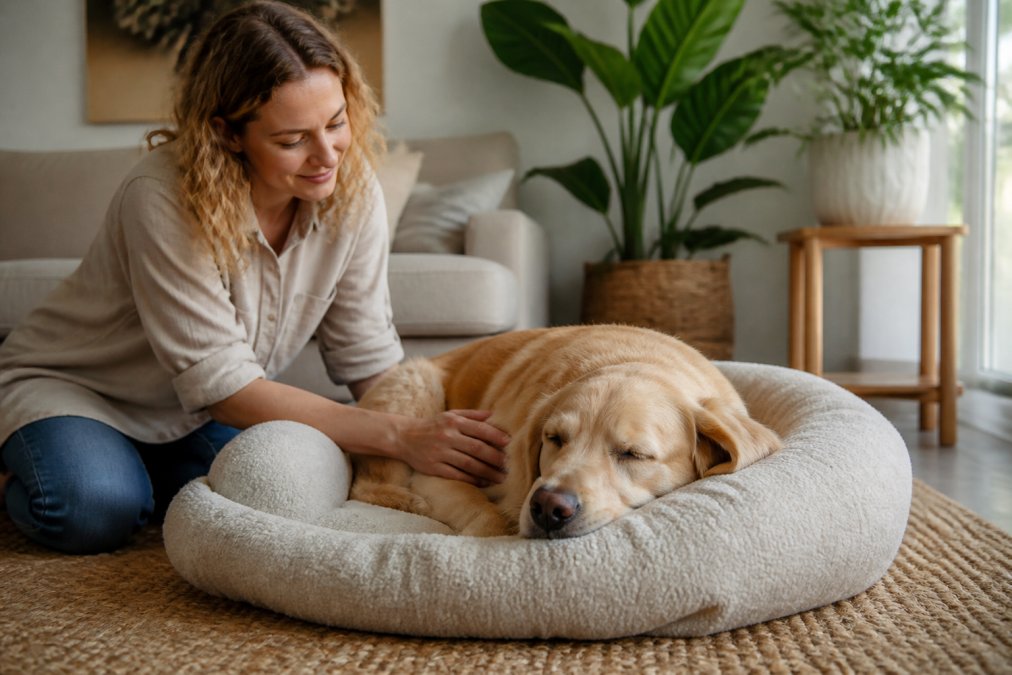
Make this space genuinely inviting. A comfortable bed, a few favourite toys, and maybe a blanket or piece of clothing that smells like you all help. Some dogs find comfort in enclosed spaces like a crate or den-style bed that creates a sense of security. Leave this area accessible at all times, never force your dog to use it, but make it so appealing they naturally choose to rest there.
Routine is your best friend here. Dogs thrive on predictability. Feed them at the same times each day, take them out for walks on a consistent schedule, and keep playtime and quiet time balanced. When your dog knows what to expect, their nervous system settles. Sudden changes, a new work schedule, visitors arriving unexpectedly, or altered feeding times, can trigger anxiety spikes.
Sound management matters more than most people realise. If your dog reacts to traffic noise, sirens, or neighbourhood sounds, soft background music or white noise can help mask these triggers. Some pet owners find that playing gentle instrumental music or nature sounds during stressful times creates a calming backdrop. Keep the volume low enough that you can still have a normal conversation.
Scent also plays a role. Dogs experience the world through their nose, and familiar scents are deeply reassuring. A diffuser with calming essential oils designed for pets, or simply the scent of a worn item of your clothing in their safe space, can ease anxiety. Just make sure any products you use are pet-safe, some essential oils can be harmful to dogs.
Using Calming Supplements for Dogs
When environmental changes and routine aren't quite enough, natural calming supplements can be a helpful addition to your dog's daily care. These products are designed to support emotional wellbeing and help your dog feel more relaxed during everyday life and stressful situations.

Calming supplements work best as part of a broader approach rather than a standalone fix. Think of them as one tool in your toolkit, working alongside a calm environment, consistent routine, and reassuring interaction with you. Different supplements support calmness in different ways, some contain ingredients that promote relaxation, whilst others provide nutritional support for nervous system health.
Common natural ingredients in calming products for dogs include hemp seed oil, which is naturally rich in essential fatty acids that support overall wellbeing. Terpenes, aromatic compounds found in plants, are also used in some formulations specifically designed to support calmness and relaxation. These ingredients have been used traditionally to help pets feel more settled during stressful situations like storms, travel, or changes in routine.
When choosing a calming supplement, look for products with clear ingredient lists and no unnecessary fillers. Quality matters, a well-formulated product made with pure, natural ingredients will likely be more effective than something with vague labelling or questionable additives. Check that the product is specifically designed for dogs or cats rather than a generic formula, as dosing and ingredient ratios differ between species.
Start with the smallest recommended dose to see how your dog responds. Every dog is different, what settles one dog might have no noticeable effect on another. Give any new supplement at least two to three weeks before deciding whether it's helping. Changes in anxiety often happen gradually rather than overnight.
How to Calm a Dog During Storms and Stressful Situations
Storms, fireworks, and other sudden stressful situations test your dog's ability to cope. Having a plan in place before these events happen means you can respond calmly and effectively rather than scrambling in the moment.
Create a storm shelter well before the first storm arrives. This is ideally an interior room without windows, a bathroom, laundry, or hallway works well. Set it up with your dog's bed, some toys, water, and anything else that makes them feel secure. Practice taking your dog to this space during calm times so it feels familiar and safe, not like punishment or confinement.
During the actual event, stay calm yourself. Dogs pick up on your anxiety instantly, if you're tense and worried, your dog will be too. Speak in a relaxed, reassuring tone. You don't need to constantly comfort your dog (which can actually reinforce anxious behaviour), but your steady presence matters. Simply being nearby without fussing often helps.
Distraction can be surprisingly effective. Puzzle toys filled with treats, a long-lasting chew, or a game of gentle indoor play can redirect your dog's focus away from the frightening sounds. Some dogs find comfort in white noise or calming music, the sounds can mask the storm and create a soothing backdrop.
For situations you know are coming, a vet visit, a car trip, a house full of guests, start preparing your dog days in advance. Short, positive practice sessions help normalise the experience. Take your dog to the car and sit calmly for a few minutes without going anywhere. Invite a friend over for a brief, quiet visit. These small exposures reduce the shock when the actual event happens.
Explore the FortunatePaws calming range today →
Natural calming support can be particularly helpful before predictable stressful situations. Giving your dog a calming supplement an hour or so before a known trigger, like a storm forecast or a planned vet appointment, may help them feel more settled. This gives the supplement time to work and takes the edge off their stress response.
Hemp Seed Oil for Dogs in Australia
Hemp seed oil is a pure, cold-pressed oil extracted from hemp seeds. It's completely different from CBD oil or medicinal cannabis, it contains no cannabidiol and no psychoactive compounds. What it does contain is a rich profile of essential fatty acids, including omega-3 and omega-6, which support skin, coat, joint health, and general wellbeing in dogs and cats.
For dogs dealing with anxiety, hemp seed oil may help support their overall nutritional status, which indirectly supports emotional resilience. A dog with a healthy coat, comfortable joints, and good skin tends to feel more settled generally (peer-reviewed research). The essential fatty acids in hemp seed oil play a role in nervous system function and can contribute to a more balanced stress response.
Many Australian pet owners are turning to hemp seed oil as a natural supplement because it's simple, pure, and comes from a plant-based source. Unlike some synthetic calming aids, hemp seed oil is a whole food supplement, it's not designed to sedate or mask anxiety, but rather to support your dog's body systems so they can cope better with stress naturally.
MellowPet Omega Drops take this a step further by combining hemp seed oil with a specially formulated blend of calming terpenes. These drops are designed specifically to support calmness and relaxation during situations like storms, separation, travel, or changes in routine. They're not a sedative and don't contain CBD, instead, they work by providing nutritional support alongside plant compounds known to promote relaxation.
The beauty of hemp seed oil as a calming support is its simplicity. You can add it directly to your dog's food, mix it into treats, or give it as a standalone supplement using a dropper. Most dogs find it palatable, though every dog has their preferences. Start with the smallest recommended amount and gradually increase to the full dose as your dog adjusts.
Explore the FortunatePaws range of pure hemp seed oil and MellowPet Omega Drops for dogs and cats. Both products are formulated right here and made with clean, simple ingredients, no unnecessary fillers or "nasties." The hemp seed oil comes in sizes ranging from 30mL trial sizes to 500mL for regular use, and the calming drops are available in 30mL, 120mL, and convenient multi-packs for households with multiple pets or dogs needing ongoing support.

Natural Remedies for Dog Anxiety: When to Seek Veterinary Advice
Whilst natural remedies and environmental changes help many dogs, some situations need professional veterinary input. Knowing when to call your vet means your dog gets the right support at the right time.
Contact your vet if your dog's anxiety is severe or suddenly gets worse without an obvious trigger. Extreme destructiveness, self-injury, or refusing to eat are signs that your dog needs professional assessment. Sometimes anxiety masks an underlying medical issue, pain, illness, or hormonal imbalance can all trigger anxious behaviour that looks purely behavioural on the surface (avma.org).
Your vet can rule out medical causes and discuss whether your dog might benefit from additional support alongside natural remedies. Some dogs benefit from a combination approach, natural supplements, environmental management, training, and sometimes medication all working together. Your vet is the best person to advise on what's right for your individual dog.
If your dog has been on veterinary medication for anxiety, never stop it without your vet's guidance. Natural supplements like hemp seed oil or calming drops are designed to complement, not replace, prescribed treatment. Any changes to your dog's medication or supplement routine should happen under professional supervision.
It's also worth discussing anxiety management with your vet at routine check-ups. They know your dog's health history and can offer personalised advice based on your dog's age, breed, existing health conditions, and specific anxiety triggers. Some breeds are more prone to anxiety, and some life stages (puppyhood, senior years) bring particular challenges, your vet can help you plan proactively.
Dog anxiety is real, and it deserves a thoughtful response. The good news is that most dogs respond well to a combination of environmental support, routine, and natural supplements. Start by creating a calm home environment and establishing predictable routines, these changes alone help many dogs feel significantly more settled. When you're ready to add nutritional support, FortunatePaws offers natural, Australian-made hemp seed oil and MellowPet Omega Drops specifically formulated to support calmness and relaxation. Both products contain clean, simple ingredients with no unnecessary fillers, and they're designed for dogs and cats of all ages. If your dog's anxiety persists or worsens despite your efforts, talk to your vet, they can help rule out underlying health issues and discuss whether additional support might help your dog thrive.
Frequently Asked Questions
What are the most obvious signs of anxiety in dogs?
Common signs include excessive barking, pacing, trembling, panting, destructive behaviour, loss of appetite, and withdrawal from family activities. Some dogs become clingy or follow their owners constantly. If your dog shows these behaviours during specific situations like storms or when you leave home, anxiety is often the cause. Keep track of when these signs appear to help your vet identify triggers.
Can natural remedies really help with dog anxiety, or should I just use medication?
Natural remedies can be genuinely helpful for mild to moderate anxiety and work well alongside other strategies like environmental changes and training. Calming supplements, routine adjustments, and safe spaces all play a role. However, severe anxiety sometimes requires veterinary medication. Many pet owners find that combining approaches—natural support with behavioural techniques—works best. Always discuss your dog's anxiety with your vet to rule out underlying health issues.
How long does it take to see results from natural remedies for dog anxiety?
Results vary depending on the remedy and your dog's individual temperament. Environmental changes and routine adjustments can show benefits within days or weeks. Calming supplements typically take 2-4 weeks of consistent use before you notice meaningful changes. Some dogs respond faster than others. Keep a simple log of your dog's behaviour to track progress objectively rather than relying on memory.
Is hemp seed oil safe for dogs with anxiety?
Hemp seed oil is a nutritional supplement naturally rich in essential fatty acids and may support general wellbeing in dogs. It's different from CBD oil and doesn't contain cannabidiol. Many Australian pet owners include hemp seed oil as part of their dog's daily routine. Always introduce new supplements gradually and monitor your dog for any reactions. If your dog has existing health conditions or takes medication, check with your vet first.