
Table of Contents
- Signs of Allergies in Dogs: What to Look For
- When to See a Vet About Dog Allergy Treatment
- Dog Itchy Skin Remedies You Can Try at Home
- Omega-3 for Dogs' Skin: Why Essential Fatty Acids Matter
- Natural Supplements That May Support Dog Allergy Treatment
- Dietary Changes That Can Help Allergic Dogs
- Building a Long-Term Routine for Your Allergic Dog
- Frequently Asked Questions
Last Updated: September 1, 2026
Living with an allergic dog is exhausting. The constant scratching, red patches, and middle-of-the-night licking disrupt everyone's sleep. Dog allergy treatment is rarely a single fix, it's usually a combination of identifying triggers, supporting the skin barrier, and building a routine that keeps symptoms manageable over time. This guide walks you through spotting the signs early, what you can do at home, and when to get your vet involved.
Signs of Allergies in Dogs: What to Look For
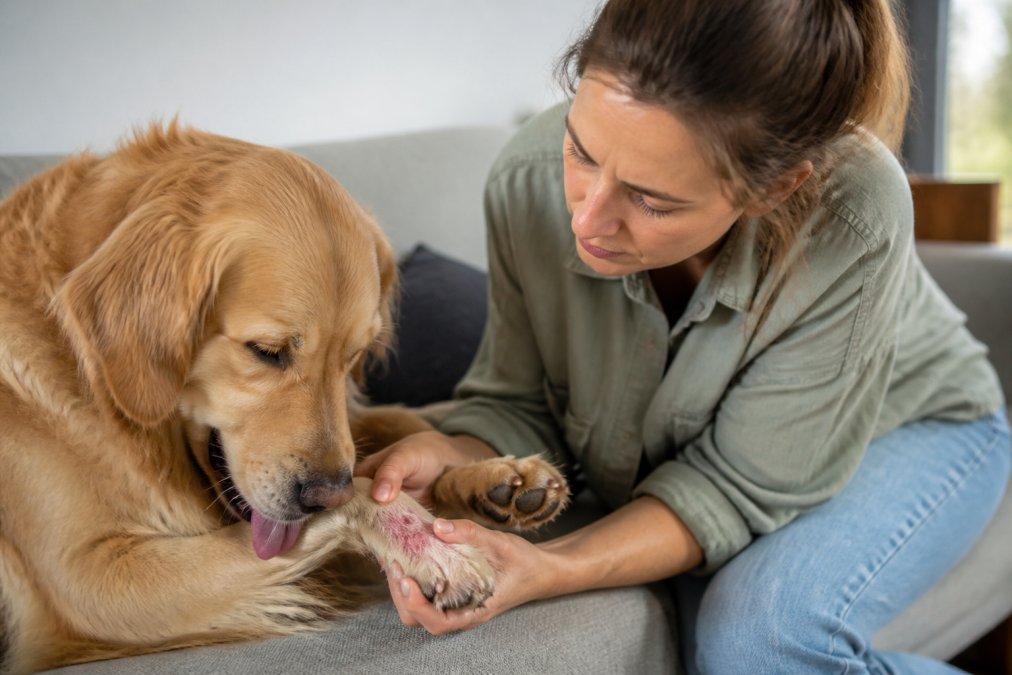
Allergic reactions in dogs rarely look the way people expect. There's usually no sneezing or runny nose. Instead, symptoms show up in the skin, ears, and paws, and tend to be persistent rather than sudden.
Common signs include:
- Excessive scratching, particularly around the face, ears, armpits, groin, and paws
- Red, inflamed, or thickened skin
- Recurring ear infections or strong odour from the ears
- Paw licking or chewing, often leaving rust-coloured staining on the fur
- Hair loss or patchy coat
- Watery eyes or discharge
- Hives or raised welts on the skin (less common)
- Stomach upset, including loose stools or vomiting (more typical with food allergies)
Many of these signs overlap with mange, bacterial infections, or yeast overgrowth. This is why a vet diagnosis matters before you commit to a long-term dog allergy treatment plan.
Food Allergies vs Environmental Allergies
Food allergies are an immune response to a specific protein in the diet, commonly chicken, beef, dairy, wheat, or eggs. They tend to cause year-round symptoms and often involve gastrointestinal signs alongside skin issues. A food elimination trial, guided by a vet, is the gold standard for diagnosis.
Environmental allergies (atopic dermatitis) are triggered by grass pollen, dust mites, mould spores, or fleas. These often follow a seasonal pattern, though dust mite allergies can cause year-round symptoms. Flea allergy dermatitis is one of the most common forms of allergic disease seen by vets, even a single flea bite can trigger a significant reaction in sensitive dogs.
The distinction matters because management differs. Food allergies are addressed through diet. Environmental allergies require reducing exposure, supporting the skin, and sometimes ongoing veterinary management.
When to See a Vet About Dog Allergy Treatment
Pet owners often spend months trying home remedies before getting a proper diagnosis, and that delay can allow secondary infections to take hold. If your dog has been scratching for more than a few weeks, or if the skin looks broken, weepy, or infected, a vet visit is the right next step.
See a vet promptly if:
- The skin is raw, bleeding, or has open sores
- There are signs of infection (pus, strong odour, crusty discharge)
- Your dog seems distressed or is losing sleep due to itching
- Symptoms are getting progressively worse
- You've tried basic measures for two to three weeks without improvement
A vet can confirm whether the issue is allergic, rule out parasites or infection, and recommend appropriate treatment, which might include antihistamines, medicated shampoos, prescription diets, or referral to a veterinary dermatologist. According to the Australian Veterinary Association's pet health resources, atopic dermatitis is one of the most commonly managed chronic conditions in companion animals, and early intervention generally leads to better long-term outcomes.
Natural supplements and supportive care work best alongside a vet's guidance, not instead of it.
Dog Itchy Skin Remedies You Can Try at Home
While working with your vet, there are practical steps you can take at home to reduce your dog's discomfort and support the skin's natural barrier.
Gentle Bathing With a Sensitive Shampoo
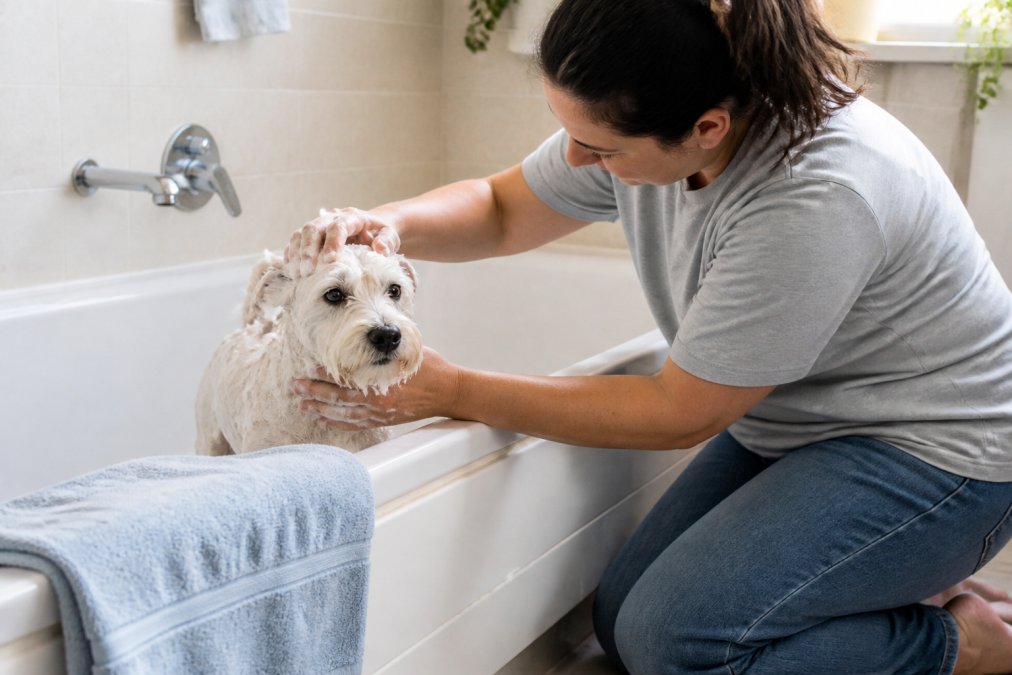
Bathing an allergic dog more frequently than usual can help, it removes allergens like pollen and dust from the coat before they penetrate the skin. The key is using a shampoo that won't strip the skin's natural oils or cause further irritation.
Look for a pH-balanced, natural formula designed for sensitive skin. Harsh or chemical-filled products can worsen inflammation.

The FortunatePaws Sensitive Pet Shampoo is formulated for dogs and cats with sensitive skin. It gently cleanses without stripping the coat's natural moisture, which matters when the skin barrier is already compromised. Pairing it with the Sensitive Pet Conditioner helps restore softness and hydration. If you'd like both, the Sensitive Shampoo & Conditioner Pack is convenient.

Rinse thoroughly, residue left on the skin can itself cause irritation.
Reducing Environmental Triggers
Dog itchy skin remedies often focus on what you put on the skin, but reducing what the skin is exposed to in the first place is just as important.
Practical steps many pet owners find helpful:
- Wipe your dog's paws and belly with a damp cloth after outdoor walks during high-pollen periods
- Wash your dog's bedding weekly in hot water to reduce dust mite load
- Vacuum regularly, particularly where your dog sleeps
- Keep grass short, long grass carries more pollen
- Use a quality flea prevention product year-round, even if you haven't seen fleas
- Consider air purifiers in rooms where your dog spends most of their time
None of these steps will eliminate environmental allergens entirely, but reducing the overall load can lower the threshold at which symptoms appear.
Omega-3 for Dogs' Skin: Why Essential Fatty Acids Matter
Omega-3 for dogs' skin is probably the most well-supported nutritional intervention for managing allergic skin conditions.

The skin barrier in dogs with atopic dermatitis is often compromised, it doesn't hold moisture as effectively and allows allergens to penetrate more easily. Essential fatty acids, particularly omega-3s, play a role in supporting the integrity of this barrier and supporting a normal inflammatory response in the body.
According to veterinary dermatology guidance from the Merck Veterinary Manual, omega-3 fatty acid supplementation is commonly recommended as part of a broader management plan for dogs with skin allergies, often alongside other treatments.
The most bioavailable sources of omega-3 for dogs include fish oil (which provides EPA and DHA) and cold-pressed hemp seed oil (which provides ALA, a plant-based omega-3, along with omega-6 in a naturally balanced ratio). Hemp seed oil also contains gamma-linolenic acid (GLA), which may help support skin health.
Explore the FortunatePaws range today →
FortunatePaws Hemp Seed Oil is 100% pure, cold-pressed hemp seed oil, not CBD oil, not medicinal cannabis. It's naturally rich in essential fatty acids, including omega-3 and omega-6, and is formulated as a nutritional supplement for dogs and cats. It may be a helpful addition to a balanced diet for dogs with dry, itchy, or dull coats.
|
Fatty Acid Source |
Type |
Potential Skin Benefit |
|---|---|---|
|
Fish oil |
Omega-3 (EPA, DHA) |
Supports inflammatory response, coat condition |
|
Hemp seed oil |
Omega-3 (ALA), Omega-6, GLA |
Supports skin barrier, coat health |
|
Flaxseed oil |
Omega-3 (ALA) |
Plant-based support for coat condition |
Omega-3 supplementation is not a quick fix, most pet owners report noticing changes in coat quality over several weeks of consistent use. It works best as part of a broader approach.
Natural Supplements That May Support Dog Allergy Treatment
Natural supplements are not a replacement for a product, but some may offer useful support alongside a vet-guided dog allergy treatment plan. These products work at a nutritional level, not a pharmaceutical one.
Hemp seed oil is one of the most popular natural supplements for dogs with skin issues. Its essential fatty acid profile may help support the skin barrier and coat health. FortunatePaws offers hemp seed oil in several sizes, from a 30mL introductory size through to a 500mL option for larger dogs or multi-pet households.
Bee pollen is another supplement worth knowing about. The FortunatePaws Bee Pollen for Dogs & Cats is sourced from Western Australian beekeepers and is naturally rich in vitamins, minerals, amino acids, and essential fatty acids. It's used as a daily nutritional supplement to support skin, coat, and general wellbeing.
What to look for in any supplement:
- Single or clearly listed ingredients
- Appropriate sourcing and quality standards
- No unnecessary fillers or artificial additives
- Transparent labelling
A common mistake is switching supplements frequently before giving any one product enough time to work. Give a supplement a genuine trial, at least a month of daily use, before drawing conclusions.
Dietary Changes That Can Help Allergic Dogs
Diet is one of the most direct levers available for managing dog allergy treatment, particularly when food allergies are suspected.
The gold standard for diagnosing a food allergy is a strict elimination diet, typically 8 to 12 weeks on a novel protein source (one your dog has never eaten before) or a hydrolysed protein diet, with no other food sources during that period. This needs to be done under veterinary guidance.
General dietary principles that may help dogs with sensitive skin:
- Avoid common allergens if your dog has a known or suspected sensitivity, chicken, beef, dairy, and wheat are the most frequently implicated proteins
- Choose whole food ingredients with clearly listed protein sources
- Ensure adequate omega-3 intake through diet or supplementation
- Avoid highly processed foods with long ingredient lists and artificial additives
- Keep treats consistent with the main diet, it's easy to inadvertently introduce allergens through treats during an elimination trial
According to guidance from the Australian Small Animal Veterinary Association, food allergy diagnosis requires strict dietary management, and even small amounts of the offending ingredient can trigger a reaction.
Treats, flavoured medications, and even some toothpastes can contain the very proteins being avoided. During an elimination trial, everything that goes in the mouth needs to be considered.
Building a Long-Term Routine for Your Allergic Dog
Dog allergy treatment is rarely a one-time fix. Most allergic dogs need ongoing management, and once you find the right combination of approaches, it becomes second nature.
A practical long-term routine might look like this:
|
Area |
Action |
Frequency |
|---|---|---|
|
Grooming |
Gentle bath with sensitive shampoo |
Weekly or as needed |
|
Nutrition |
Omega-3 supplementation |
Daily |
|
Environment |
Paw wipe after outdoor walks |
After each walk |
|
Environment |
Wash bedding in hot water |
Weekly |
|
Parasite control |
Flea prevention product |
Monthly (or as directed by vet) |
|
A product |
Check-in for skin assessment |
Every 3-6 months |
The most common mistake with long-term allergy management is stopping the routine when symptoms improve. Allergies don't resolve, they're managed. Consistency is what keeps things stable.
It's also worth keeping a simple diary when establishing a routine. Note when flare-ups occur, the weather, what your dog ate, and where they walked. Patterns often emerge that help identify specific triggers, and that information is genuinely useful for your vet.
FortunatePaws products like the Sensitive Shampoo & Conditioner range and Hemp Seed Oil are designed to be part of an ongoing routine. They're made with clean, simple ingredients and no unnecessary fillers, formulated with Australian pets in mind.
For pet owners who want to understand more about the science behind canine atopic dermatitis and current management approaches, the International Committee on Allergic Diseases of Animals (ICADA) guidelines offer a comprehensive overview of evidence-based treatment options.
Managing an allergic dog takes patience, but it gets easier once you understand what's driving the symptoms. The hardest part is usually the diagnosis, and that's where a good vet relationship makes all the difference. Once you know what you're dealing with, you can build a routine that genuinely supports your dog's comfort and skin health over the long term. Explore the FortunatePaws range of pure hemp seed oil and bee pollen for nutritional support, and gentle shampoo and conditioner products for sensitive skin.
Frequently Asked Questions
What are the most common signs of allergies in dogs?
The most common signs include persistent scratching, paw licking or chewing, red or inflamed skin, recurring ear infections, watery eyes, and patchy or dull coat. Some dogs also develop hives or loose stools, particularly with food allergies. Because these symptoms overlap with other conditions, a vet assessment is the best way to confirm whether allergies are the cause and to guide the right dog allergy treatment plan for your pet.
Can natural supplements help support a dog with itchy skin?
Some natural supplements may help support skin health as part of a broader care routine. Omega-3 fatty acids, found in hemp seed oil and fish oil, are commonly added to support a healthy skin barrier and coat condition. Bee pollen is another natural option some pet owners include as a daily meal topper for general skin and immune support. These supplements are not a replacement for a product, but may be a helpful addition to a balanced diet for dogs with sensitive or itchy skin.
How can I tell if my dog has a food allergy or an environmental allergy?
Food allergies often cause year-round symptoms, including itchy skin, digestive upset and recurring ear or paw issues, and tend to improve when the offending ingredient is removed from the diet. Environmental allergies, such as reactions to grass, pollen or dust mites, often follow a seasonal pattern and may worsen at certain times of year. A vet can help narrow down the cause through an elimination diet or allergy testing, which is the most reliable way to distinguish between the two.
When should I take my dog to the vet for skin or allergy issues?
See a vet if your dog's scratching or skin irritation is constant, worsening or affecting their sleep and daily behaviour. Any signs of broken skin, infection, hair loss, or swelling warrant a prompt check-up. Recurring ear infections or paw problems that keep coming back are also worth investigating professionally. A vet can identify the underlying cause and recommend appropriate dog allergy treatment, which may include prescription options, dietary changes or a referral to a veterinary dermatologist.