
Table of Contents
- Why Diet Plays a Bigger Role in Dog Skin Irritation Than Most Owners Realise
- Signs of Food Sensitivities in Dogs That Show Up on the Skin
- Omega-3 Fatty Acids for Dogs: The Foundation of Skin Health
- Hemp Seed Oil for Dogs' Skin: What It Is and How It May Help
- How to Improve Dog Coat Health Naturally Through Whole-Food Additions
- Practical Steps to Support Dog Skin Irritation Through Diet
- What to Avoid in Your Dog's Diet When Skin Is Struggling
- Frequently Asked Questions
Last Updated: 31 August 2026
Why Diet Plays a Bigger Role in Dog Skin Irritation Than Most Owners Realise
Dog skin irritation is one of the most common reasons pet owners seek help, yet diet is often overlooked. Most focus goes to shampoos, sprays, and topical treatments, but if what's in the bowl is contributing to the problem, external care alone won't fix it at the source.
The skin reflects what's happening internally. A dog's coat and skin condition are closely tied to the nutrients they're absorbing daily. When essential fatty acids, antioxidants, and gut-supporting nutrients are missing, the skin is often one of the first places it shows.
This guide walks through practical dietary changes that may help support healthier skin from the inside out. Dietary changes work gradually, you're building a nutritional foundation that supports the skin's natural ability to stay healthy, retain moisture, and recover from minor irritation.
RSPCA Australia's guidance on dog nutrition and health

Signs of Food Sensitivities in Dogs That Show Up on the Skin
Food sensitivities don't always look the way people expect. Many owners assume a reaction would show up as vomiting or loose stools, but the skin is actually a very common site for food-related responses in dogs.
Skin Symptoms Worth Tracking
Signs of food sensitivities include persistent itching, redness, and flaking around the paws, ears, belly, and face. Some dogs develop recurring hot spots or a dull, brittle coat that doesn't improve despite regular grooming.
These signs can look identical to environmental allergies. The difference is timing: food-related skin issues tend to be year-round rather than seasonal, and they often improve when the diet changes. Keeping a simple diary noting what your dog eats and when symptoms flare can reveal patterns within a few weeks.
When to See Your Vet First
Before making significant dietary changes, have your vet rule out other causes. Skin conditions can stem from parasites, bacterial or fungal infections, thyroid imbalances, and environmental triggers. A vet can also guide you through an elimination diet if a food sensitivity is suspected, which is the most reliable way to identify whether a specific ingredient is contributing to your dog's skin irritation.
Omega-3 Fatty Acids for Dogs: The Foundation of Skin Health
Omega-3 fatty acids are the single most well-supported dietary intervention for skin and coat health. These essential fats maintain the skin's barrier function, reduce inflammatory responses, and keep the coat soft and hydrated.
Dogs cannot produce omega-3 fatty acids on their own, they must come from food. Most standard commercial dog foods contain adequate omega-6 but are relatively low in omega-3s, creating a diet skewed toward inflammation rather than balance.
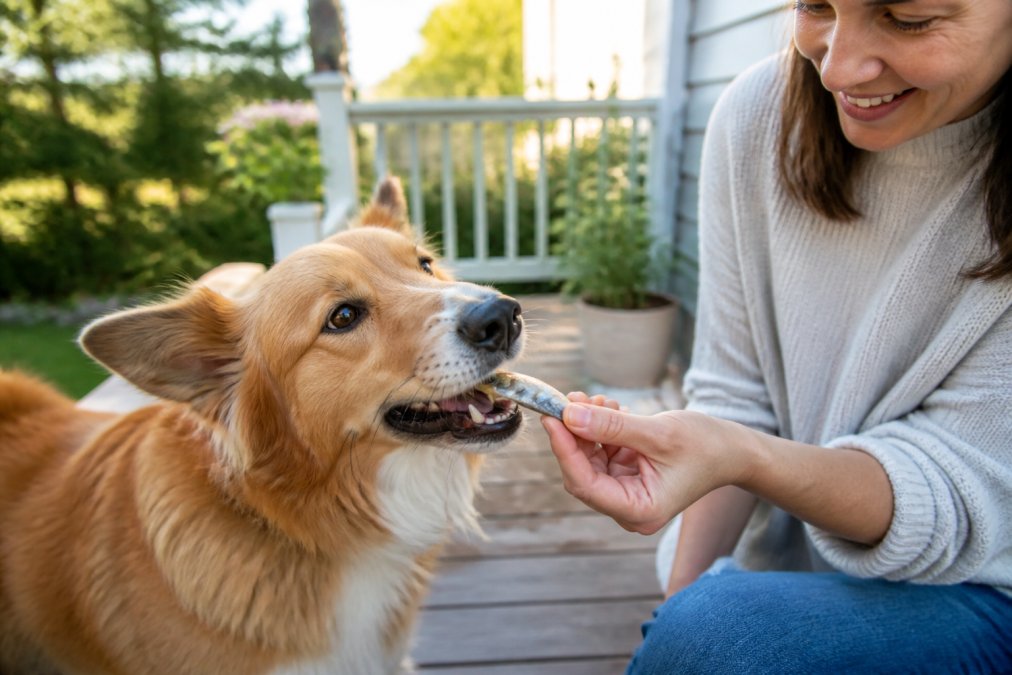
Adding omega-3-rich foods or supplements to your dog's diet is one of the most effective steps for their skin. Many owners notice improvements in coat shine and reduced flaking and itching over several weeks of consistent supplementation.
Best Food Sources of Omega-3s for Dogs
Whole food sources of omega-3s are excellent because they come packaged with additional nutrients like protein, vitamins, and minerals.
Oily fish are the richest natural source. Sardines, mackerel, and salmon provide the long-chain omega-3s (EPA and DHA) that dogs use most efficiently. Sardines are particularly practical because they're small, affordable, and widely available. Whole, single-ingredient sardine treats are a convenient way to add this nutrition without unnecessary additives.

Hemp Seed Oil for Dogs' Skin: What It Is and How It May Help
Hemp seed oil is a cold-pressed oil made from hemp plant seeds. It is not CBD oil, does not contain cannabidiol, and has no psychoactive properties. It's a nutritional oil valued for its naturally balanced fatty acid profile.
FortunatePaws Hemp Seed Oil is 100% pure, cold-pressed hemp seed oil, made for dogs and cats. It's naturally rich in both omega-3 and omega-6 fatty acids, including gamma-linolenic acid (GLA), which plays a role in skin barrier maintenance.

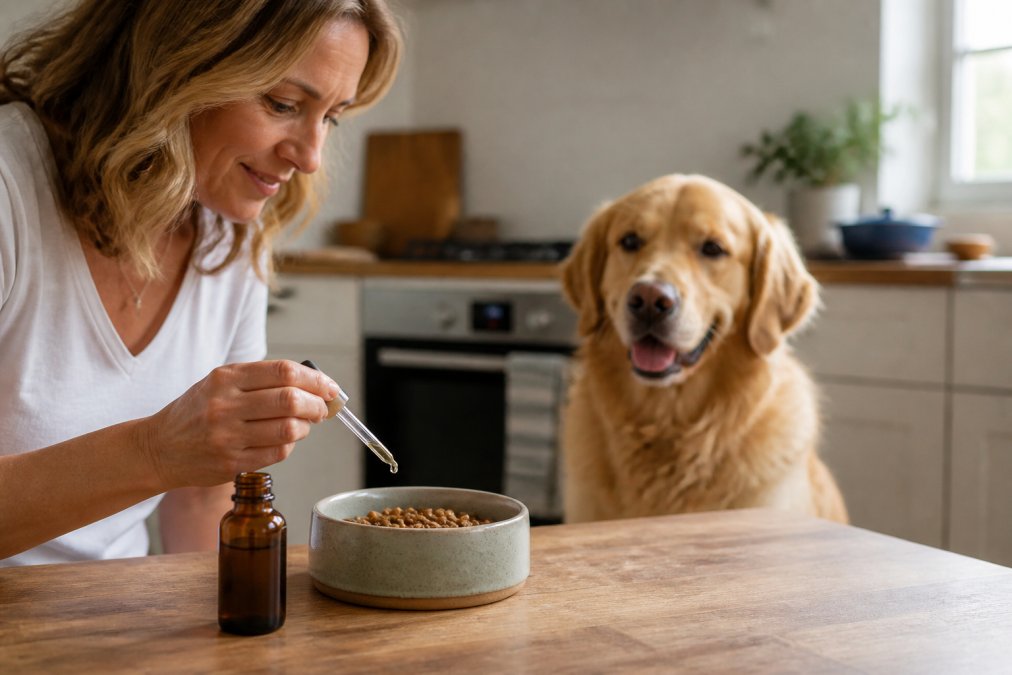
Hemp seed oil's omega-3 to omega-6 ratio is relatively balanced compared to many other plant oils. This matters because excess omega-6 relative to omega-3 can contribute to inflammatory processes. Hemp seed oil's profile may help support a more balanced response.
Hemp seed oil for dogs' skin is best described as a nutritional supplement that supports healthy skin and coat as part of a balanced diet. It's not a treatment for any specific condition, and it won't work the same way for every dog. Many owners find it a helpful daily addition, particularly for dogs with dry, flaky skin or a dull coat. natural skin remedies.
FortunatePaws offers hemp seed oil in several sizes, from a 30ml introductory bottle through to a 120ml everyday size and a larger 500ml option for regular use or multi-pet households. Explore the full range on the FortunatePaws Hemp Seed Oil page.
Australian Veterinary Association resources on pet nutrition
How to Improve Dog Coat Health Naturally Through Whole-Food Additions
The most sustainable way to improve dog coat health naturally is to build variety into the diet over time. A single supplement rarely transforms a dog's skin on its own. What tends to make a real difference is consistent omega-3 intake, antioxidant-rich foods, and adequate protein from quality sources.
Whole-food additions work because they bring multiple nutrients together in forms the body recognises and absorbs well. Rather than relying on isolated supplements, the goal is to make the base diet more nutritionally diverse.
Eggs are a practical addition for many dogs. They're rich in biotin, which supports skin cell turnover and coat quality. Lightly cooked and served plain, they're easy to add a few times per week. Leafy greens like spinach and kale, served in small amounts, provide antioxidants that help manage oxidative stress in skin cells. Blueberries are another antioxidant-rich option most dogs enjoy.
Bee Pollen as a Daily Nutritional Boost
Bee pollen is a nutrient-dense whole food containing vitamins, minerals, amino acids, enzymes, and essential fatty acids. It's gaining popularity among pet owners looking for clean, natural additions to their dog's diet.
FortunatePaws Bee Pollen is sustainably sourced from Western Australian beekeepers and is suitable for both dogs and cats. A small amount sprinkled over food each day is a low-effort way to add a broad spectrum of micronutrients. As a meal topper, it may be a helpful addition for dogs whose skin and coat could use extra nutritional support.

Practical Steps to Support Dog Skin Irritation Through Diet
Supporting dog skin irritation through diet doesn't require a complete overhaul overnight. The most effective approach is methodical: make one change at a time, give it enough time to take effect, and observe results before moving on.
Here's a straightforward framework:
|
Step |
Action |
Timeframe |
|---|---|---|
|
1 |
Rule out non-dietary causes with your vet |
Before starting |
|
2 |
Introduce an omega-3 source (oily fish or hemp seed oil) |
Week 1-2 |
|
3 |
Add a whole-food topper (bee pollen, egg, or leafy greens) |
Week 2-3 |
|
4 |
Review hydration and gut health |
Ongoing |
|
5 |
Consider a limited ingredient diet if symptoms persist |
Week 4+ with vet guidance |
Switching to a Limited Ingredient or Hypoallergenic Diet
A limited ingredient diet reduces the number of proteins and carbohydrates your dog is exposed to, making it easier to identify what might be contributing to skin issues. Hypoallergenic dog food typically uses novel proteins or hydrolysed proteins less likely to trigger a response.
This approach is most useful when you suspect a specific food ingredient is behind the irritation. Give any new diet at least six to eight weeks before drawing conclusions, as frequent changes prevent you from knowing what's actually working.
Hydration and Gut Health as Supporting Factors
Dry skin in dogs is sometimes a sign of inadequate hydration. Dogs on dry kibble diets may not drink enough water to compensate for low moisture content. Adding wet food, broth, or encouraging more water intake can make a noticeable difference for some dogs.
Gut health also matters. A healthy gut microbiome supports nutrient absorption, and there's a recognised connection between gut function and skin health in animals. Probiotic-rich foods or supplements formulated for dogs may help support this, though check with your vet about what's appropriate for your individual dog.
What to Avoid in Your Dog's Diet When Skin Is Struggling
The flip side of adding beneficial nutrients is removing things that may be making the situation worse. Highly processed foods with long ingredient lists are worth scrutinising. Artificial colours, flavours, and preservatives are unnecessary for dogs, and some individuals may react to them.
Common dietary triggers some dogs react to include beef, dairy, wheat, gluten, soy, corn, and artificial additives. This doesn't mean every dog will react to these ingredients, many eat them without issue. If your dog's skin is struggling and their diet includes several of these, it's worth experimenting with a cleaner, simpler formulation.
Excess omega-6 fatty acids relative to omega-3s can also contribute to inflammatory processes. Many commercial dog foods use vegetable oils high in omega-6. Balancing this with omega-3 supplementation is one reason why adding fish or hemp seed oil is commonly recommended.
CSIRO research on animal nutrition and health
Managing dog skin irritation through diet takes patience, but it's one of the most practical and lasting approaches available to pet owners. The foundation is consistent omega-3 intake, a clean and simple diet, and careful observation of how your dog responds to changes over time. Explore the FortunatePaws range of pure hemp seed oil for dogs and cats to support your dog's skin and coat health naturally.
Frequently Asked Questions
What dietary changes can help a dog with dry, itchy skin?
Adding foods rich in omega-3 fatty acids is one of the most practical starting points. Whole sardines, cold-pressed hemp seed oil and bee pollen are natural options that may help support skin moisture and coat condition. Reducing highly processed ingredients and switching to a limited-ingredient or single-protein diet can also make a noticeable difference, particularly if a food sensitivity is contributing to the irritation. Always check with your vet before making significant dietary changes.
Is hemp seed oil beneficial for dogs with dry skin?
Hemp seed oil is naturally rich in omega-3 and omega-6 fatty acids, which are important for maintaining a healthy skin barrier and coat condition. FortunatePaws Hemp Seed Oil is 100% pure, cold-pressed and made for dogs and cats. It is not CBD oil and contains no cannabidiol. Added to your dog's meals as a nutritional supplement, it may help support healthy skin and coat as part of a balanced diet. Results vary between individual dogs.
What are the signs that my dog's skin issues are diet-related?
Common signs include persistent itching, flaky or dull coat, recurring hot spots, redness around the paws or belly, and loose stools alongside skin symptoms. If the irritation flares after meals or after introducing a new food, diet is worth investigating. These signs can overlap with environmental allergies, so a vet assessment is the best first step to rule out other causes before trialling dietary changes.
Can natural supplements support dogs with seasonal skin irritation?
Some dogs experience worsened skin irritation during certain seasons, particularly when pollen counts are high or the air is dry. Natural supplements such as cold-pressed hemp seed oil and omega-3-rich treats like whole sardines may help support the skin's natural barrier during these periods. They are not a treatment for allergies, but as part of a well-rounded diet they may offer helpful nutritional support. Speak with your vet if seasonal symptoms are severe or persistent.