Table of Contents
- Common Physical Signs Your Dog Has Joint Pain
- Early Signs of Arthritis in Dogs
- Behavioural Changes That Suggest Joint Discomfort
- When to See a Vet for Dog Joint Pain
- How to Help a Dog with Joint Pain at Home
- Joint Supplements for Senior Dogs
- Conclusion
- Frequently Asked Questions
Last Updated: October 17, 2026
Common Physical Signs Your Dog Has Joint Pain
Spotting signs your dog has joint pain early can make a real difference to their comfort and quality of life. Many dog owners don't realise how common joint issues are in senior dogs, and the physical clues can be subtle at first. Your dog might not yelp or cry out, instead, they'll move differently, rest more, or struggle with everyday activities they once did without thinking.
The good news is that once you know what to look for, you'll be able to spot changes quickly and chat with your vet about support options.
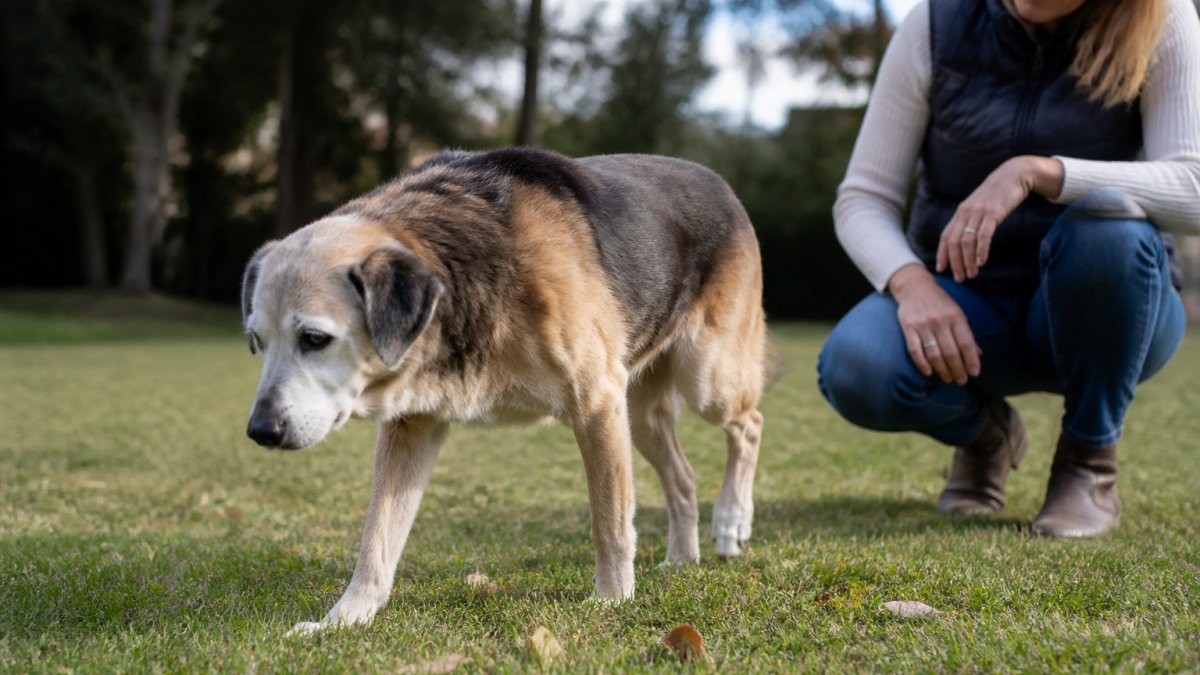
Limping and Favouring One Leg
Limping is often the most obvious sign that something's not quite right. Your dog might put less weight on one leg, especially after they've been resting. This is their way of protecting a painful joint.
Watch for patterns:
- Limping that's worse first thing in the morning
- Limping that improves after a short walk (as muscles warm up)
- Limping that gets worse after exercise
- Favouring the same leg consistently
Sometimes dogs will shift their weight to their back legs or hold a front paw slightly off the ground. This uneven gait is a clear signal that joint discomfort is affecting how they move.
Stiffness, Especially After Rest
Stiffness is one of the most common early signs your dog has joint pain. You'll notice it most when your dog first gets up after sleeping or resting for a while.
Common stiffness patterns include:
- Taking a few slow steps before "loosening up"
- Moving gingerly when they first stand
- Hesitating before they start walking
- Needing a moment to settle into their normal pace
This stiffness often improves once they've moved around a bit, but it comes back after another rest. It's a classic sign of joint wear and tear.
Difficulty with Stairs and Jumping
One of the clearest indicators of joint pain is reluctance or difficulty with stairs, jumping, or climbing. Your dog might:
- Avoid jumping onto the couch or bed
- Take stairs one step at a time (instead of bounding up)
- Hesitate at the bottom of stairs before climbing
- Struggle to jump into the car
- Climb stairs more slowly than they used to
Even small jumps or hops might cause them to wince. If your dog used to leap onto furniture easily and now avoids it, that's a strong signal that their joints are bothering them.
Early Signs of Arthritis in Dogs
Arthritis is one of the most common causes of joint pain in older dogs. Early signs can appear well before your dog shows obvious limping. Catching these early clues means you can start supporting their joints sooner.
Many dogs develop arthritis gradually, so the changes can sneak up on you. One day you might notice your dog isn't quite as bouncy as they used to be, or they seem to prefer lying down to their usual activities.
Early warning signs include:
- Reluctance to jump or climb
- Stiffness after rest
- Slow, careful movements
- Less interest in play or walks
- Difficulty rising from a lying position
- Swelling or heat around joints (feel gently along their legs and hips)
- Licking or chewing at joints more than usual
According to research from veterinary orthopaedic specialists, early intervention can help slow the progression of joint issues and keep your dog more comfortable for longer.
Behavioural Changes That Suggest Joint Discomfort
Sometimes the most telling signs your dog has joint pain aren't physical at all, they're behavioural. Pain changes how dogs act, and these shifts can be subtle.
Reluctance to Exercise or Go for Walks
If your normally energetic dog suddenly seems less keen on walks or playtime, joint pain could be the reason. They might:
- Lag behind on walks instead of leading
- Seem tired after short walks that used to be easy
- Avoid playing fetch or chase games
- Lose interest in activities they once loved
- Turn back early from walks
- Seem reluctant to start a walk at all
This isn't laziness, it's pain. A dog that's uncomfortable in their joints will naturally avoid movement that makes them hurt.
Changes in Sleep and Rest Patterns
Dogs with joint pain often sleep more and move around less. They might:
- Spend more time lying down throughout the day
- Struggle to find a comfortable position
- Shift positions frequently during sleep
- Seem restless or unable to settle
- Avoid their usual sleeping spot if it's hard to access
- Sleep more deeply but wake stiffly
Pain makes rest important, but it also makes finding comfort difficult. Your dog might circle more than usual before lying down, or they might avoid their favourite bed if it's too firm or hard to get into.
When to See a Vet for Dog Joint Pain
If you've noticed any of the signs your dog has joint pain we've covered, it's worth chatting with your vet. They can examine your dog properly and rule out other issues.
Rose-Hip Vital | Canine 150g or 500g →
You should see your vet if:
- Limping lasts more than a few days
- Your dog struggles with stairs or jumping suddenly
- You notice swelling around joints
- Your dog seems to be in pain
- Stiffness is getting worse
- Your dog's behaviour has changed noticeably
- They're licking or chewing at their joints excessively
Your vet might suggest X-rays or other checks to confirm what's happening. They can also chat with you about pain management options and lifestyle changes that might help.
The Australian Veterinary Association recommends regular check-ups for senior dogs to catch joint issues early.
How to Help a Dog with Joint Pain at Home
Supporting your dog at home can make a real difference to their comfort and mobility. Small changes often add up to noticeable improvements.
Practical steps you can take:
- Keep their weight healthy (extra weight puts more strain on joints)
- Provide soft, supportive bedding (orthopaedic beds help)
- Use ramps or steps to help them onto furniture or into cars
- Keep walks short and gentle rather than long and intense
- Avoid jumping or high-impact exercise
- Keep their nails trimmed (overgrown nails affect their gait)
- Maintain a warm, dry sleeping area
- Consider massage or gentle stretching (ask your vet first)
Nutrition matters too. A balanced diet rich in omega fatty acids can help support joint health. Many pet parents find that adding natural joint support to their dog's diet helps alongside these lifestyle changes.
Joint Supplements for Senior Dogs
Natural supplements can be a helpful addition to your dog's routine, especially as they get older. At FortunatePaws, we focus on pure, natural ingredients that support joint health and mobility.
Rose-Hip Vital is a plant-based powder that's been scientifically shown to support joint health and mobility. It's a natural anti-inflammatory rich in vitamin C and antioxidants. Many dog owners notice improvements within three weeks of adding it to their dog's meals. It comes in 150g or 500g sizes and can be safely used alongside other medications or supplements.

FortunatePaws Hemp Seed Oil is 100% pure, cold-pressed hemp seed oil made for dogs and cats. It's naturally rich in omega-3 and omega-6 fatty acids, which support healthy joints and everyday mobility. Available in sizes from 30mL to 500mL, it's easy to add to meals. The oil may help support joint health and comfort as part of a balanced diet.
Shark Cartilage Treats are a natural, single-ingredient chew rich in glucosamine, chondroitin, collagen and calcium, all nutrients that support joint health. They're also great for dental health, as the crunchy texture helps with natural plaque removal. These are particularly good for dogs that enjoy chewing.
All FortunatePaws products are made with clean, simple ingredients and no unnecessary fillers. They're formulated or made right here in Australia.
Veterinary research on joint supplements shows that omega fatty acids and natural anti-inflammatories can help support joint comfort and mobility in older dogs.
Conclusion
Recognising the early signs your dog has joint pain means you can act quickly to keep them comfortable. Stiffness after rest, reluctance to jump, limping, and behavioural changes are all worth taking seriously.
The good news is that you have real options. A chat with your vet is the first step, and then supporting your dog's joints at home, through gentle exercise, proper bedding, weight management, and natural supplements, can make a genuine difference.
Frequently Asked Questions
What are the first signs of joint pain in dogs?
Early signs include limping, stiffness after rest, reluctance to jump or use stairs, and difficulty getting up from lying down. Your dog may also seem less enthusiastic about walks or play, or show favouring of one leg. These signs often appear gradually, so watch for subtle changes in movement and behaviour. If you notice any of these, it's worth mentioning to your vet.
Can dogs hide signs of joint pain?
Yes, dogs can mask pain quite well, especially if they're eager to please or used to ignoring discomfort. Some dogs push through pain to join activities they love, only showing signs when the pain becomes severe. This is why noticing subtle changes—like moving more slowly, taking longer to settle, or hesitating before jumping—matters. Don't wait for obvious limping to take action.
How long does it take to see results from joint supplements for senior dogs?
Most natural joint supplements take 2–4 weeks to show noticeable improvement, though some dogs respond faster. Consistency matters: giving supplements regularly, as directed, gives them the best chance to work. Results vary depending on your dog's age, the severity of joint issues, and overall health. If you don't see improvement after 4–6 weeks, speak with your vet about other options.
Should I stop my dog's prescribed medication and use supplements instead?
Never stop prescribed medication without your vet's guidance. Supplements can work alongside medication to support joint health and mobility, but they're not a replacement for veterinary treatment. Talk to your vet about adding supplements to your dog's routine. They can advise whether a supplement is appropriate for your dog and how it might interact with any current medication.
If your senior dog is showing signs of joint discomfort, explore the FortunatePaws range of natural joint support products. Our Rose-Hip Vital, Hemp Seed Oil, and Shark Cartilage Treats are designed to support mobility and comfort as part of your dog's everyday routine.