
Table of Contents
- How Long for Skin Supplements to Show Results in Dogs
- Why Patience Matters: Understanding the Timeline
- Hemp Seed Oil for Dogs with Itchy or Dry Skin
- Signs of Healthy Skin and Coat in Dogs
- Best Practices for Dog Skin Supplement Dosage
- What Can Slow Down Results
- Making the Most of Your Dog's Skin Supplement Routine
- Frequently Asked Questions
Last Updated: September 30, 2026
How Long for Skin Supplements to Show Results in Dogs
Most dog owners want to see results fast. When you start your dog on a skin supplement, it's natural to wonder: how long for skin supplements to work in dogs?
The truth is, how long for skin supplements to work in dogs varies. Skin health isn't built overnight. It takes time for your dog's body to absorb nutrients, repair damaged skin cells, and grow a healthier coat. Generally, you're looking at 4 to 8 weeks before you notice meaningful changes. Some dogs show improvement sooner. Others need a full 12 weeks.
At FortunatePaws, we offer natural supplements that may help support dogs' skin health. The timeline depends on several factors: your dog's age, the severity of their skin issues, their diet, and which supplement you're using. Incorporating antioxidant supplements into a daily routine can further bolster these physiological defences, though understanding their specific role in cellular repair remains essential for managing long-term skin health.
This guide explains what to expect and how to set yourself up for success.
Why Patience Matters: Understanding the Timeline
Your dog's skin is constantly renewing itself. Old cells shed. New ones grow in. This process takes time.
When you introduce a skin supplement, you're providing nutrients that support this natural cycle. Omega-3 and omega-6 fatty acids, for example, help reduce inflammation and strengthen the skin barrier. But they don't work instantly. Your dog needs to digest the supplement, absorb the nutrients, and then use them to build healthier skin.
Think of it like building a house. You can't see the foundation work until weeks later when the walls start going up. Skin health works similarly.
What happens during the first 4 weeks:
- Your dog's body begins absorbing the supplement
- Inflammation may start to calm down (though you might not notice yet)
- The digestive system adjusts to the new ingredient
- Nutrient levels in the bloodstream begin to rise
Weeks 4 to 8:
- You'll likely notice the first visible signs
- Scratching may decrease
- Coat texture often improves
- Skin redness or irritation may fade
Weeks 8 to 12:
- Results become more obvious
- Coat shine improves noticeably
- Skin issues continue to settle
- Your dog's comfort level increases
The key is consistency. Skipping doses or stopping early won't give the supplement time to work. Most Australian pet owners find that sticking with it for at least 8 weeks makes a real difference.
Hemp Seed Oil for Dogs with Itchy or Dry Skin
Hemp seed oil is one of the most popular natural options for supporting dog skin health. It's not a medication. It's a nutritional supplement packed with essential fatty acids.

How it works:
Hemp seed oil is naturally rich in omega-3 and omega-6 fatty acids (pubmed.ncbi.nlm.nih.gov). These nutrients help strengthen your dog's skin barrier. A stronger barrier means better moisture retention and less irritation from environmental factors.
The oil also supports the body's natural response to inflammation.
Timeline for hemp seed oil:
Most dogs show noticeable improvement in 6 to 8 weeks. Some see results earlier. A few need the full 12 weeks.
You'll typically notice:
- Less scratching and licking within 4 to 6 weeks
- Softer, shinier coat by week 8
- Reduced redness or flakiness by week 10 to 12
How to use it:
Simply add a small amount to your dog's food once or twice daily. The cold-pressed variety from FortunatePaws is easy to mix in. Most dogs don't mind the taste, though if yours is picky, you can drizzle it over wet food or a treat.
Start with a smaller dose and increase gradually over a few days. This helps their digestive system adjust without upset.
Signs of Healthy Skin and Coat in Dogs
How do you know if the supplement is actually working? Watch for these positive changes.
Coat appearance:
- Fur looks shinier and smoother
- Colour becomes more vibrant
- Less matting or tangling
- Fewer bald patches or thin areas
Skin condition:
- Redness fades
- Flaking or dandruff decreases
- Skin feels less dry to the touch
- No visible irritation or raw patches
Behaviour changes:
- Your dog scratches less frequently
- Less licking at paws or legs
- Calmer overall demeanour
- Better sleep (less restless scratching at night)
Odour:
- Musty or yeasty smell improves
- Fresher-smelling coat
These changes don't all happen at once. Coat shine might improve first. Scratching behaviour might take longer to settle. That's completely normal.
Keep photos. Take a picture of your dog's skin or coat now, before starting the supplement. Then take another in 4 weeks, 8 weeks, and 12 weeks. Comparing photos makes the improvement much clearer. Sometimes changes are so gradual you don't notice them day to day.
Best Practices for Dog Skin Supplement Dosage
Getting the dosage right matters. Too little won't be effective. Too much can cause digestive upset.
General guidelines:
Dosage depends on your dog's weight and the specific supplement. For hemp seed oil, a small dog (under 15 kg) typically needs less than a larger dog (over 25 kg).

Start low and go slow. Begin with half the recommended dose for the first week. Then increase to the full dose. This helps your dog's digestive system adapt.
Consistency is everything:
Give the supplement at the same time each day. This helps your dog's body establish a routine and absorb nutrients more effectively.
Missing doses sets you back. If you forget one day, just continue the next day. Don't double up to "catch up."
Bee Pollen for Dogs & Cats | Skin, Coat →
Combine with good nutrition:
A skin supplement works best alongside a balanced diet. High-quality protein, whole grains, and fresh vegetables all support skin health. If your dog's overall diet is poor, even the best supplement will struggle to show results.
Watch for changes:
Some dogs have sensitive stomachs. If your dog develops loose stools or vomiting after starting a supplement, reduce the dose or pause for a few days before trying again. Most adjustment issues settle within a week.
What Can Slow Down Results
Several factors can delay improvement. Understanding these helps you stay realistic about timelines.
Age matters:
Senior dogs often need longer to show results. Their bodies absorb and process nutrients more slowly. If your older dog has been struggling with skin issues for years, expect 10 to 12 weeks rather than 6 to 8.
Underlying health issues:
If your dog has allergies, hormonal imbalances, or other health conditions, a supplement alone might not be enough. Work with your vet to rule out serious underlying problems. A supplement supports general skin health.
Diet quality:
A supplement can only do so much if the rest of your dog's diet is poor. Ultra-processed commercial foods with fillers won't support skin health the way quality nutrition does.
Environmental factors:
Dry air, harsh weather, or frequent bathing with harsh shampoos can work against your supplement. Use a gentle, dog-safe shampoo. Limit baths to once every 2 to 4 weeks unless your vet recommends otherwise.
Inconsistent use:
Skipping doses or forgetting to give the supplement regularly slows progress dramatically. Consistency is non-negotiable for results.
Stress:
Dogs under stress often have worse skin issues. If your dog is anxious or living in a stressful environment, addressing that helps too.
Making the Most of Your Dog's Skin Supplement Routine
Once you've started a supplement, these habits help you see the best results.
Keep a simple log:
Write down when you give the supplement. Note any changes you see: less scratching, better coat shine, improved energy. This log helps you spot patterns and track progress over time.
Take baseline photos:
Before starting, photograph your dog's skin or coat closely. Repeat at weeks 4, 8, and 12. Photos are proof of improvement when day-to-day changes feel invisible.
Be honest about expectations:
A supplement supports healthy skin.
Give it time:
The hardest part is waiting. Eight weeks feels long when your dog is uncomfortable. But skin health is worth the patience. Once you see results, you'll understand why consistency matters.
Consider the whole picture:
Skin health depends on multiple factors: nutrition, hydration, exercise, stress levels, and genetics. A supplement is one piece. Good overall care is the foundation.
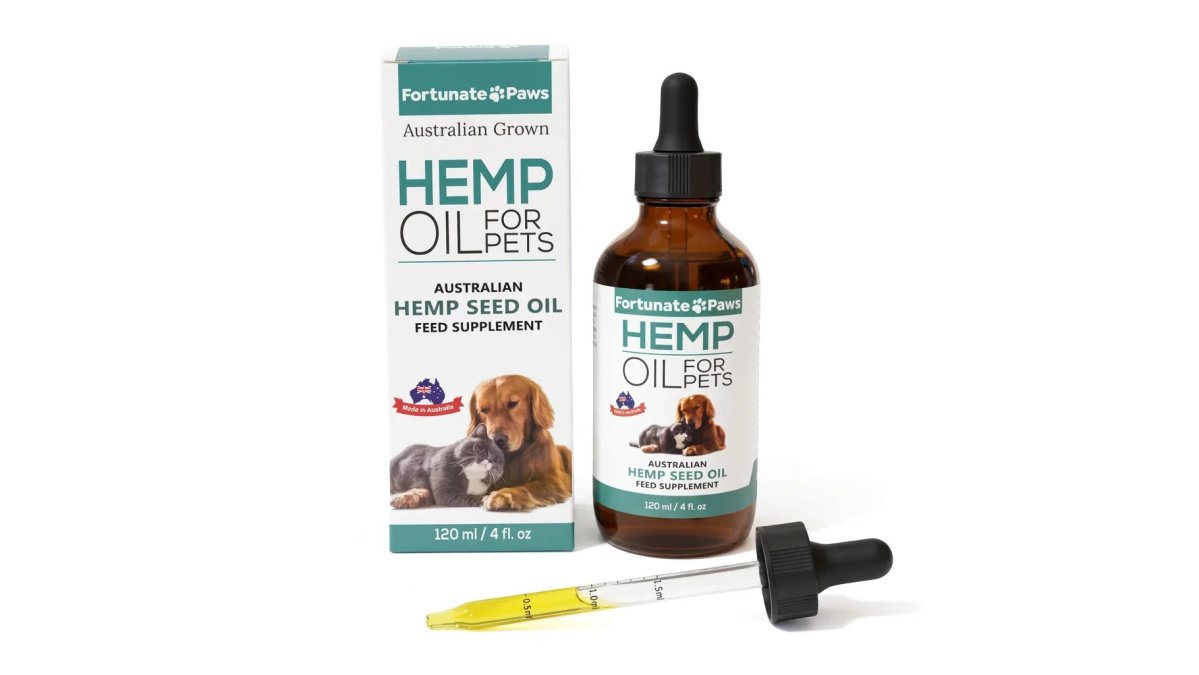
Explore the FortunatePaws range of pure hemp seed oil for dogs and cats. Our 120mL bottle is the standard size for most dogs. If you have a larger dog or multiple pets, the 500mL option offers better value. The 30mL size is perfect if you want to try it first. All our hemp seed oil is 100% Australian cold-pressed, with no fillers or unnecessary additives.
Consistent use over 8 to 12 weeks may help support your dog's comfort and coat quality. Start now, stay consistent, and give your dog's skin the time it needs to heal.
Frequently Asked Questions
How long does it take for skin supplements to improve a dog's coat?
Most dogs show early signs of improvement within 4 to 6 weeks of consistent supplementation, though full results typically appear after 8 to 12 weeks. Skin and coat changes happen gradually as new hair grows in and the skin barrier strengthens. Factors like your dog's age, diet quality, and the specific supplement used can affect the timeline. Consistency matters more than speed—skipping doses or stopping too early will delay progress.
Can skin supplements help with dog allergies and itchiness?
Skin supplements rich in omega fatty acids may help support your dog's skin health and comfort as part of a balanced diet, particularly if itchiness stems from nutritional gaps or dry skin. Always consult your vet to rule out medical causes before relying solely on supplements for relief.
What are the signs that skin supplements are actually working for my dog?
Look for a shinier, less flaky coat, reduced scratching or licking, and healthier-looking skin beneath the fur. Your dog's overall energy and comfort may improve too. Early signs appear around week 4, with more noticeable changes by week 8. Keep in mind that seasonal changes, stress, and diet quality can mask or delay visible improvements, so track progress over weeks rather than days.
Why aren't my dog's skin supplements working after a few weeks?
Supplements need consistent use over several weeks to show results—one or two doses won't make a difference. Other common reasons include inconsistent dosing, poor-quality supplements, underlying health issues your vet hasn't identified, or diet gaps beyond what the supplement addresses. If your dog shows no improvement after 12 weeks of consistent use, chat with your vet about whether a different approach might help.