
Table of Contents
- Understanding the Key Differences Between Dog Skin Allergies and Dry Skin
- Common Dog Itchy Skin Causes: Allergies Explained
- Dry Flaky Skin on Dogs: What's Causing It
- Dog Scratching but No Fleas: When It's Not Parasites
- Comparison Table: Symptoms, Causes and Management Strategies
- Natural Approaches to Support Healthy Skin and Coat
- When to See a Vet for Dog Skin Problems
- Frequently Asked Questions
Last Updated: 9 October 2026
Understanding the Key Differences Between Dog Skin Allergies and Dry Skin
When your dog scratches constantly, it's tempting to assume the cause is straightforward. But understanding skin allergies vs dry skin is crucial, because what works for one won't necessarily help the other. Understanding the key differences is crucial, and the good news is that once you know what you're dealing with, managing your dog's skin becomes much simpler.
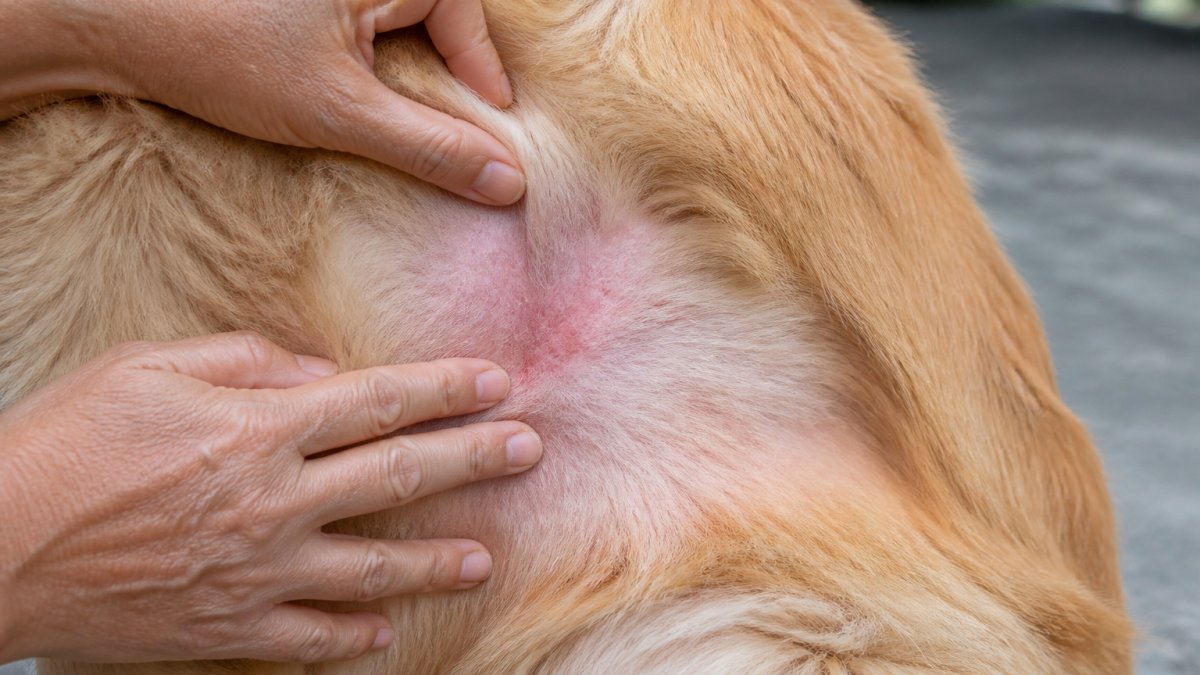
Close-up of a dog's skin showing redness and irritation, with owner gently examining the affected area using their fingertips
The key difference lies in the root cause. Dog skin allergies occur when your dog's immune system overreacts to a specific trigger, whether that's food, environmental factors like pollen, or contact with certain materials. Dry skin, on the other hand, happens when your dog's skin lacks sufficient moisture and natural oils. Both create itching, but they require different approaches.
Allergic reactions typically involve inflammation, redness, and sometimes discharge or odour. Your dog might also experience ear infections or paw chewing. Dry skin usually presents as flaking, tightness, and a dull coat. The itching from dry skin is often worse in winter or in dry climates, whereas allergies can flare year-round depending on the trigger.
Understanding which one your dog has means you can address the actual problem rather than just treating the symptoms. A dog with dry skin needs moisture and nourishment. A dog with allergies needs the trigger identified and removed, plus support for the inflamed skin.
Common Dog Itchy Skin Causes: Allergies Explained
Dog skin allergies come in three main categories, and identifying which type your dog has is the first step toward relief.
Food allergies are surprisingly common. Common culprits can include certain food ingredients. If your dog's itching is year-round and accompanied by digestive issues, food might be the problem. An elimination diet, removing suspected ingredients and monitoring for improvement, can help pinpoint the trigger.
Environmental allergies flare with seasons or specific conditions. Pollen, dust mites, mould, and grass can all trigger reactions. If your dog itches mainly in spring or summer, or only in certain rooms of your house, environmental factors are likely at play.
Contact allergies happen when your dog's skin reacts to direct contact with something irritating. This might be a cleaning product, a particular fabric, or even certain plants. These usually show up on areas with less fur, like the belly or paws.
The challenge with allergies is that they're often a combination. Your dog might have a mild food sensitivity that becomes noticeable only when environmental pollen counts spike. This is why working with your vet to narrow down triggers is so valuable.
Dry Flaky Skin on Dogs: What's Causing It
Dry skin develops for different reasons than allergies, and understanding the cause helps you fix it properly.
Environmental factors are a major culprit. Central heating in winter, air conditioning in summer, and low humidity all strip moisture from your dog's skin. If you notice flaking mainly during certain seasons, environment is likely responsible.
Diet plays a role too. Dogs need adequate omega-3 and omega-6 fatty acids to maintain healthy skin and coat. If your dog's diet lacks these essential nutrients, their skin will suffer. This is where natural supplements can make a real difference, they provide the building blocks your dog's body needs to maintain skin health.
Bathing habits matter more than many owners realise. Washing your dog too frequently, or using harsh shampoos, removes the natural oils that protect their skin. If you're bathing your dog weekly and seeing dry skin develop, scaling back to every two to three weeks with a gentle, moisturising shampoo often helps.
Age is another factor. Senior dogs often experience drier skin as their bodies produce fewer natural oils. Breed also plays a part, some breeds are simply more prone to dry skin than others.
Dog Scratching but No Fleas: When It's Not Parasites
One of the first things pet owners do is rule out fleas. You've checked, found nothing, and your dog is still scratching. This is actually quite common, and it narrows down the possibilities significantly.
If there are no fleas but your dog is scratching, you're looking at skin allergies vs dry skin. The distinction matters because the treatment is different.
Look at the pattern of scratching. Does your dog focus on specific areas, ears, paws, face, or belly, or is it more generalised? Allergies often concentrate on certain spots, especially the ears and paws. Dry skin tends to be more widespread.
Check the skin itself. Redness, swelling, or a greasy appearance suggests allergies. Flaking, tightness, and a dull coat point to dryness. Sometimes both are present, your dog might have underlying dry skin that's being aggravated by an allergy.
Sensitive Pet Shampoo | Soothing Care for Dogs, Available in 250ml or 500ml →
Duration also provides clues. Allergies often come and go with seasons or exposure to the trigger. Dry skin tends to persist until you address the underlying cause, whether that's environmental, dietary, or grooming-related.
Comparison Table: Symptoms, Causes and Management Strategies
|
Condition |
Key Symptoms |
Common Causes |
Initial Management |
|---|---|---|---|
|
Skin Allergies |
Redness, inflammation, itching in specific areas, ear infections, paw chewing, possible discharge or odour |
Food ingredients, environmental triggers (pollen, dust), contact irritants |
Identify and remove trigger; soothe inflamed skin with gentle care |
|
Dry Skin |
Flaking, dull coat, generalised itching, tightness, worse in winter |
Low humidity, harsh shampoos, insufficient dietary fats, age, breed predisposition |
Increase moisture, improve diet with omega fatty acids, adjust bathing routine |
Natural Approaches to Support Healthy Skin and Coat
Once you've identified whether your dog has allergies or dry skin, natural support can make a meaningful difference.
For dry skin, start with diet. Dogs need omega-3 and omega-6 fatty acids to maintain healthy skin from the inside out. FortunatePaws Hemp Seed Oil for Pets is naturally rich in these essential fatty acids and may help support healthy skin and a shiny coat. It's 100% pure, cold-pressed hemp seed oil made from Australian-grown seeds, and it's suitable for both dogs and cats. You can add it directly to your dog's meals, it's an easy way to provide nutritional support as part of a balanced diet. Explore our range of Hemp Seed Oil for Pets here: fortunatepaws.com.au.
Grooming adjustments help too. Switch to a gentle, moisturising shampoo formulated for sensitive skin. The FortunatePaws Sensitive Pet Shampoo & Conditioner Pack is made in small batches using naturally derived, human-grade ingredients. It gently cleanses without stripping the coat's natural oils, whilst the conditioner helps restore moisture and soften the coat. This combination supports healthy skin and coat whilst maintaining the natural moisture balance your dog needs. Find out more about our Sensitive Pet Shampoo & Conditioner Pack: fortunatepaws.com.au.

Sensitive Pet Shampoo & Conditioner Pack | 250ml or 500ml
For allergies, the first step is identifying and removing the trigger. Once you've done that, soothing the inflamed skin is essential. A gentle shampoo designed for sensitive skin can help calm irritation. Our Sensitive Pet Shampoo and Conditioner are specifically formulated for dogs and cats with sensitive skin, helping to cleanse and refresh whilst maintaining moisture balance. You can find our Sensitive Pet Shampoo here: fortunatepaws.com.au and our Sensitive Pet Conditioner here: fortunatepaws.com.au.


Environmental factors matter too. Ensure your dog has access to fresh water, maintain reasonable humidity levels in your home, and avoid excessive bathing. If your dog spends time outdoors, rinse their coat after being exposed to pollen or grass to reduce irritant buildup.
When to See a Vet for Dog Skin Problems
Knowing when professional help is needed prevents prolonged discomfort for your dog and helps you avoid misdiagnosing the problem.
See your vet if the itching is severe or your dog is causing injury through scratching. Broken skin can lead to infection, which complicates treatment. Your vet can assess whether your dog needs medical intervention alongside natural support.
If you've tried adjusting diet and grooming for several weeks without improvement, professional guidance helps. Your vet can run tests to identify food allergies or environmental sensitivities. They might recommend an elimination diet or allergy testing to pinpoint the exact trigger.
Ear infections accompanying skin issues warrant a vet visit. Allergies often cause ear problems, and these need proper treatment to prevent complications.
If your dog's skin shows signs of infection, discharge, odour, or pustules, professional care is essential. Infections require treatment that goes beyond home management.
Your vet can also rule out other conditions that cause itching, like mites or hormonal imbalances. Once you've confirmed it's allergies or dry skin, you and your vet can work together on a management plan that might include dietary changes, grooming adjustments, and natural supplements.
Managing your dog's skin health doesn't have to be complicated once you understand what's actually causing the problem. Whether it's allergies or dry skin, natural approaches combined with the right grooming routine make a real difference. Explore the FortunatePaws range of gentle grooming products and pure hemp seed oil for dogs and cats, products designed to support healthy skin and coat as part of your dog's everyday wellness routine.
Frequently Asked Questions
How can I tell if my dog has skin allergies or dry skin?
Allergies often cause intense itching, redness, and sometimes ear infections or paw chewing, and symptoms may appear seasonally or after eating certain foods. Dry skin typically shows as flaking, dullness, and mild itching that improves with moisturising. Allergies are usually more persistent and localised to specific areas, whilst dry skin affects larger patches. If you're unsure, your vet can help identify the root cause through observation and, if needed, allergy testing.
What are common causes of dry flaky skin on dogs?
Dry skin can result from low humidity, frequent bathing with harsh products, nutritional deficiencies, or underlying health conditions. Winter weather, indoor heating, and allergies can also trigger dryness. Using a gentle, moisturising shampoo and conditioner designed for sensitive skin, like FortunatePaws Sensitive Pet Shampoo and Conditioner, can help restore the coat's natural moisture balance. Adding omega-rich supplements to your dog's diet may also support skin health.
Can diet affect my dog's skin and coat?
Yes, diet plays a significant role in skin health. Essential fatty acids like omega-3 and omega-6 are vital for maintaining a healthy coat and supporting skin barrier function. If your dog's diet lacks these nutrients, dry skin and dullness can result. FortunatePaws Hemp Seed Oil is naturally rich in omega-3, 6 and 9 fatty acids and may help support healthy skin and a shiny coat as part of a balanced diet.
When should I take my dog to the vet for itchy skin?
Contact your vet if your dog's itching is severe, persistent for more than a week, or accompanied by hair loss, bleeding, or signs of infection. If your dog is scratching so much they're causing wounds, or if home care isn't helping within a few weeks, professional advice is important. Your vet can rule out parasites, infections, and allergies, and recommend the best treatment path for your dog's specific situation.